
Why Small Details Often Have a Big Impact
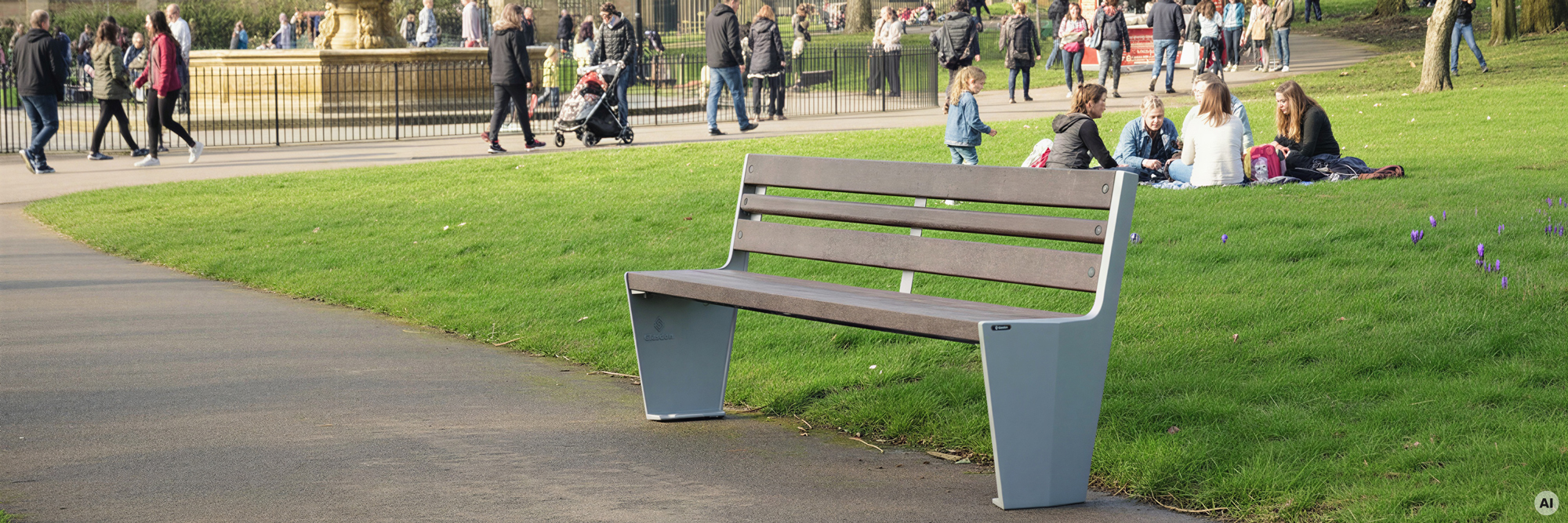
When leisure operators seek to improve visitor experiences, they often direct their attention towards things such as attractions, events, facilities and programming. Research and industry expertise across the leisure, tourism and parks sectors suggest that people evaluate destinations on far more than their headline features.
Comfort, cleanliness, accessibility and ease of use all play an important part in how people view and form an opinion of a location. Be it a public park, seafront promenade, attraction, nature reserve, holiday park or complex, the quality of everyday infrastructure remains a pivotal factor in shaping customer satisfaction.
According to UN Tourism, an estimated 1.4 billion international tourist arrivals were recorded worldwide in 2024, marking a near-complete recovery of global tourism and generating approximately US$1.6 trillion in international tourism receipts. These figures highlight the importance of maintaining high-quality environments and services across the country's leisure and tourism destinations.
Communal amenities such as seating, waste management facilities, recycling points, wayfinding systems and rest areas all contribute to the wider customer experience. While rarely considered attractions, these features play an important role in shaping perceptions of a destination’s overall quality.
The Link Between the Environment and Customer Satisfaction
People typically associate clean, orderly settings with safety, professionalism and quality management. Research commissioned by CABE found that 85% of people agreed that the quality of social spaces and built environments directly affects their wellbeing [1]. In leisure settings, this perception can directly affect how long visitors choose to stay, whether they return and how they describe their visit to others.
A well-maintained environment reduces friction within the customer journey. Guests can rest when needed, dispose of waste conveniently, and navigate spaces comfortably without delays or obstruction. These simple interactions may appear minor; however, they contribute to an overall positive and enjoyable experience.
Managing Litter Before It Becomes a Problem
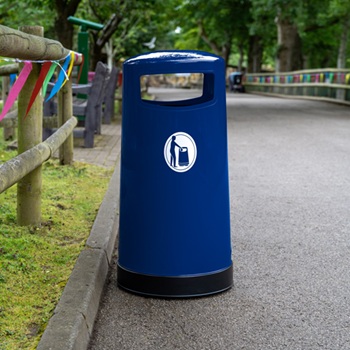
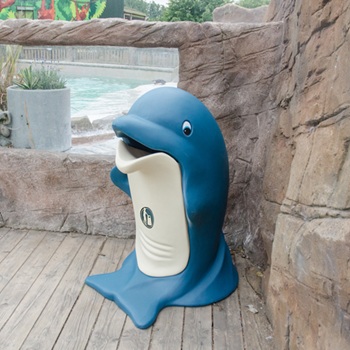
High visitor numbers, outdoor dining, seasonal events and family activities inevitably generate waste. Even the most effective cleaning teams can struggle when facilities fail to support and encourage responsible disposal behaviours. Clean, well-maintained settings promote responsible behaviour, while neglected spaces can contribute to further littering, indifference, and, in extreme cases, anti-social behaviour.
The most successful destinations take a more proactive approach by ensuring waste disposal facilities are visible, convenient and consistent throughout the customer journey. Waste infrastructure that aligns with people’s movements can help encourage correct disposal and reduce significant litter accumulation.
Sustainability Expectations are Increasing
For many consumers, sustainability is becoming more of an expectation rather than an exception. Booking.com's 2024 Sustainable Travel Report found that 83% of travellers globally consider sustainable travel important, while 75% said they intend to travel more sustainably over the next 12 months. These findings demonstrate the growing influence of environmental considerations on visitor expectations and destination choice.
For organisations, eco-friendly initiatives are no longer limited to behind-the-scenes operations. People increasingly expect to see ecological commitments reflected throughout the public realm.
Visible recycling facilities, waste segregation programmes and environmentally responsible management practices help demonstrate that sustainability is being treated as a practical objective rather than simply a marketing statement.
More importantly, these measures can also help organisations support broader green targets while engaging visitors directly in eco-friendly efforts.
Encouraging Longer and More Comfortable Visits
One of the simplest, most effective ways to enhance customer satisfaction is by providing places to sit, rest and spend time. Outdoor seating contributes to accessibility, inclusivity and comfort. It supports families with young children, older people, individuals with limited mobility and those wishing to enjoy outdoor spaces for extended periods.
The concept of "dwell time" has become increasingly important within visitor economy planning. The longer people remain within a settings, the greater the opportunity to create memorable trips, strengthen emotional connections and support economic activity. Locations that encourage consumers to stay for longer often benefit from increased engagement with surrounding facilities, attractions and commercial services.
Creating opportunities for people to pause and enjoy their surroundings should therefore be viewed not simply as a convenience but as an investment in a destination’s overall success.
The Importance of Inclusive Communal Spaces
People differ in age, mobility, background and expectations. Creating spaces that are welcoming and accessible to all users is a key consideration for responsible destinations.
Inclusive amenities help ensure that people can comfortably access and enjoy facilities regardless of their circumstances. Thoughtfully designed public areas featuring accessible seating, intuitive wayfinding and clearly identifiable waste management facilities can contribute to a more accessible and user-friendly environment.
Protecting Destination Reputation
Poorly maintained communal areas, overflowing bins or inadequate amenities can quickly overshadow a destination’s attractions or entertainment value, representing what many will consider wider management issues. Clean, welcoming and well-organised settings help reinforce positive perceptions and strengthen confidence in how well a place is managed.
While someone may not specifically comment on a bench, recycling station or litter bin, they will comment on whether a destination was tidy, inviting, easy to navigate and provided space for relaxation.
Looking Beyond Infrastructure
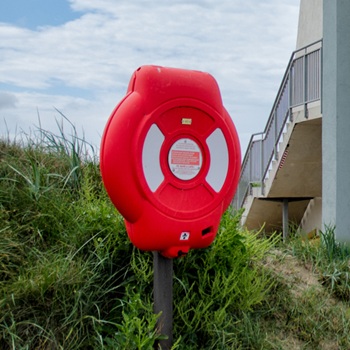
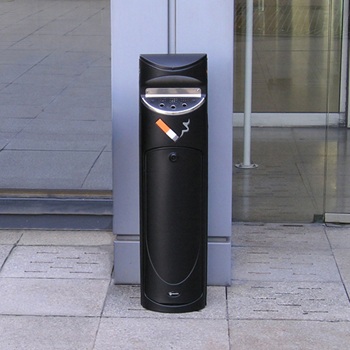
By creating clean, comfortable and sustainable locations, leisure operators can boost customer service, support environmental objectives and build long-term value for both their organisation and the communities they serve.
Some of the most successful destinations understand that their amenities are not just assets. Instead, they are tools that support consumer satisfaction, sustainability, health and safety, accessibility and an environment’s appeal.
As competition to attract visitors intensifies, organisations must consider how every element of an environment contributes to a destination’s overall performance and popularity. Attractions may encourage an initial visit, but it is often the quality of the wider visit that determines whether people choose to return.
Looking to get the most out of your leisure spaces? Explore Glasdon product ranges designed to help leisure environments thrive:
- Litter bins
- Seating
- Water safety equipment
- Recycling bins
- Winter safety equipment
- Street cleaning trolleys
Alternatively, contact our dedicated team of experts today for any custom enquiries or product information.
References
* https://www.untourism.int/news/international-tourism-recovers-pre-pandemic-levels-in-2024
* https://www.untourism.int/node/14904
* https://www.who.int/health-topics/disability
* https://news.booking.com/latest-bookingcom-sustainable-travel-data-reveals-ongoing-challenges-for-consumers--highlights-a-heightened-opportunity-for-cross-industry-collaboration/
* https://files.stv-fst.ch/staging/assets/downloads/kona_booking.com_sustainable-travel-report_2024_en.pdf
* https://www.designcouncil.org.uk/fileadmin/uploads/dc/Documents/the-value-of-public-space1.pdf
* [1] https://www.designcouncil.org.uk/fileadmin/uploads/dc/Documents/the-value-of-good-design.pdf