 Express Products
As temperatures begin to drop, local authorities across the UK face the annual challenge of keeping public spaces safe, accessible and well maintained throughout the winter months. From snow and ice to heavy rainfall, flooding and storms, winter weather can place significant pressure on local services and infrastructure.
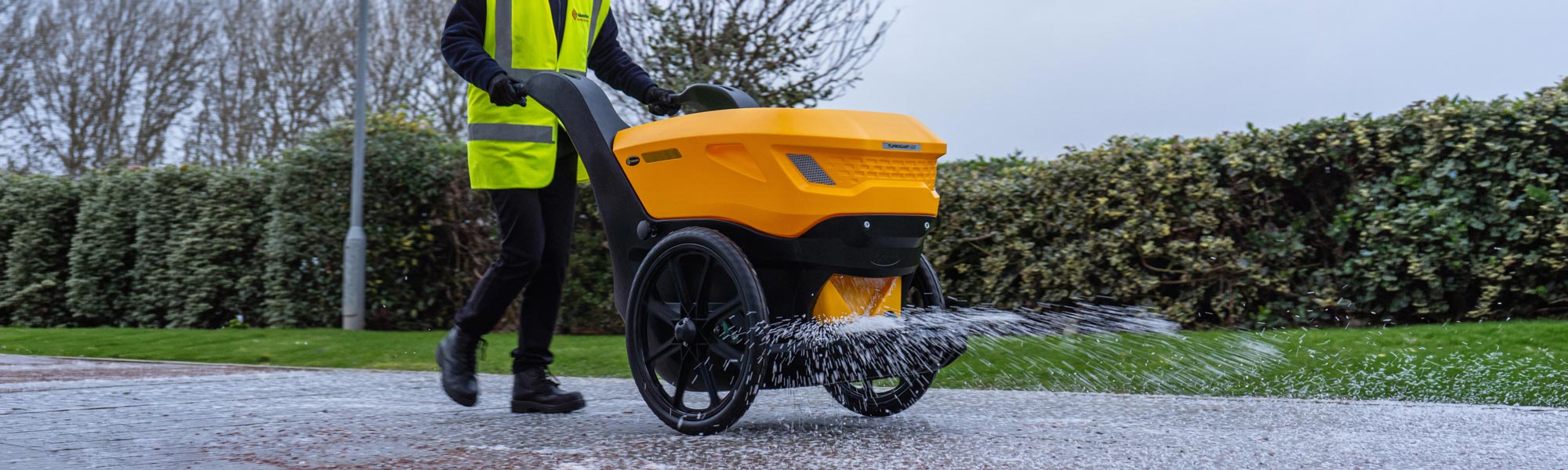
Early preparation can help minimise disruption, improve public safety and ensure essential services continue to operate during periods of severe weather. By reviewing resources, inspecting infrastructure and planning ahead, councils can respond more effectively when conditions deteriorate.
Here are five practical ways UK local authorities can prepare for winter before severe weather arrives.
1. Review and Replenish Winter Supplies
Ensuring essential winter maintenance materials and equipment are available before demand increases is a critical part of seasonal preparedness.
The UK Roads Liaison Group's Winter Service Guidance highlights the importance of maintaining adequate salt stocks and resilience planning ahead of winter. In England, following the 2010 Quarmby Review, a resilience benchmark of 12 days/48 runs of salt stock has been widely recognised as good practice for winter preparedness.
When calculating requirements, local authorities should consider high-priority areas such as town centres, schools, healthcare facilities, council buildings, transport interchanges and public car parks.
Key actions:
- Conduct a stock audit of salt and gritting materials.
- Inspect spreading equipment and snow-clearing machinery.
- Review salt storage facilities.
- Identify priority treatment routes and locations.
- Procure additional supplies before seasonal demand increases.
2. Inspect Public Spaces and Infrastructure
Winter weather can quickly turn minor maintenance issues into significant safety hazards. Carrying out inspections before temperatures drop can help local authorities identify defects and address problems proactively.
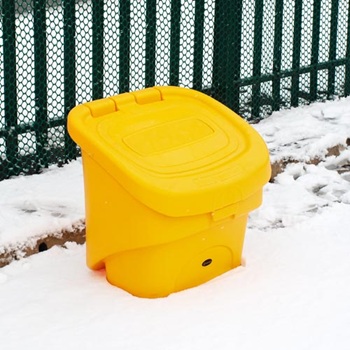

Emphasis should lie on areas where standing water, fallen leaves, damaged surfaces or blocked drains could contribute to slips, flooding or access issues during severe weather.
Areas to assess:
- Footpaths and pedestrian routes.
- Public parks and open spaces.
- Town centres and public squares.
- Car parks and transport hubs.
- Drains, gullies and surface water infrastructure.
- Trees and roadside vegetation.
- Benches, bins, shelters and other street furniture.
- Lighting and public facilities.
3. Develop a Clear Winter Response Plan
A well-defined winter response plan ensures staff, equipment and resources can be deployed efficiently during severe weather.
The UK Roads Liaison Group's guidance recommends that authorities establish winter service plans that set out treatment priorities, operational procedures and emergency arrangements. Effective planning allows councils to respond quickly to changing weather conditions whilst getting the most out of any available resources.
The Met Office's weather warning service can also help authorities monitor developing conditions and make informed operational decisions.
Consider including:<
- Priority routes for gritting and snow-clearing.
- Staff roles and responsibilities.
- Escalation and emergency procedures.
- Equipment deployment plans.
- Mutual aid arrangements.
- Emergency contact information.
- Weather monitoring processes.
4. Position Winter Equipment Strategically
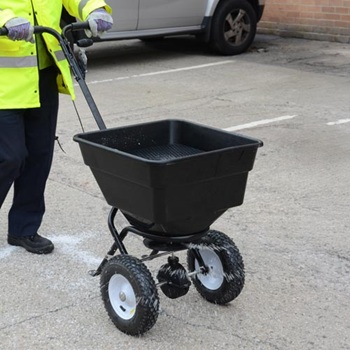

Providing winter maintenance equipment in the right locations can improve response times and help reduce slip hazards during periods of snow and ice.
Salt and grit bins are commonly installed in locations where they can support both council operations and community resilience efforts. Strategic placement can help maintain access to key public services and transport routes when the weather worsens.
Suitable locations include:
- Residential neighbourhoods.
- Steep footpaths and access routes.
- School entrances.
- Council buildings.
- Public car parks.
- Healthcare facilities.
- Transport interchanges.
- Parks and community facilities.
5. Communicate with Residents Before Winter Arrives
Winter preparation is most effective when councils and residents work together.
Providing clear information before severe weather occurs helps residents understand how to stay safe, report hazards and access support services. Council websites, social media channels, email alerts and community newsletters can all be used to communicate winter preparedness messages.
Authorities should also review arrangements for supporting vulnerable residents and ensure information about available assistance is easy to access.
Useful topics to share:
- Winter safety advice.
- Grit bin locations.
- Priority gritting routes.
- Service updates during severe weather.
- Flood preparedness information.
- Reporting procedures for hazards and maintenance issues.
- Community support initiatives.
- Information for vulnerable residents.
Early Preparation Supports Safer Communities
While winter weather can be unpredictable, effective preparation helps local authorities respond with confidence. By reviewing supplies, inspecting infrastructure, developing robust response plans and communicating clearly with residents, councils can reduce risks, maintain essential services and help keep public spaces safe throughout the winter season.
Looking to prepare for winter? Explore Glasdon product ranges designed to help councils and businesses get ready for winter:
Alternatively, contact our dedicated team of experts today for any custom enquiries or product information.
References
* https://www.ukroadsliaisongroup.org/en/guidance/winter-service-guidance/index.html
* https://www.gov.uk/government/publications/strategic-salt-protocol
* https://www.gov.uk/government/publications/strategic-salt-protocol/national-emergency-salt-reserve-salt-protocol-note-for-local-highway-authorities-in-england
* https://nwsrg.org/practical-guidance-documents
* https://www.ukroadsliaisongroup.org/en/guidance/well-managed-highway-infrastructure-code-of-practice/
* https://weather.metoffice.gov.uk/warnings-and-advice
* https://weather.metoffice.gov.uk/warnings-and-advice/weatherready/weatherready-winter-toolkit
* https://www.metoffice.gov.uk/services/government/environmental-hazard-resilience/community-resilience
* https://nationalhighways.co.uk/safety/driving-advice/travelling-in-severe-weather/travelling-in-snow-and-ice/winter-driving-how-we-help-you-on-our-roads/
* https://www.vcsep.org.uk/winter-preparedness