
 Express Products
Retail parks, convenience stores, supermarkets, shopping centres and mixed-use developments all rely on well-designed external spaces to create an inviting, safe and organised environment. This is where street furniture and waste management infrastructure can make a palpable difference.
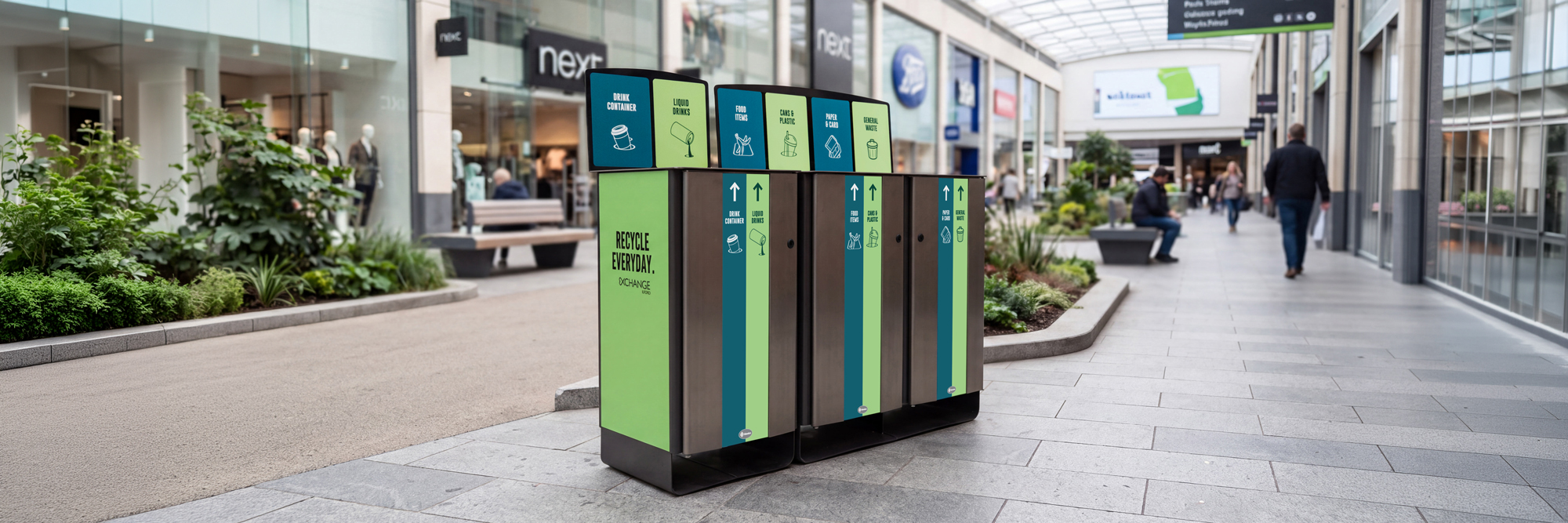
Retail spaces have changed significantly over the last few decades. Today, shoppers expect stores to do more than just sell products. Retail locations must now deliver positive customer experiences, support sustainability goals, accommodate changing shopping habits and reinforce brand values at every touchpoint.
As retailers continue to modernise by investing in new store designs, digital technologies and better service standards, physical spaces outside and around the store remain just as important. Oftentimes, the customer journey begins before a shopper even steps through a shop’s front door.
Clean Spaces Influence Perception
First impressions matter: perhaps more than people might think. Customers often form opinions about a retail environment within seconds of arriving. A clean, tidy and well-organised space can help build confidence in a brand or shop. Overflowing bins, littered walkways or poorly maintained facilities, however, can have the opposite effect.
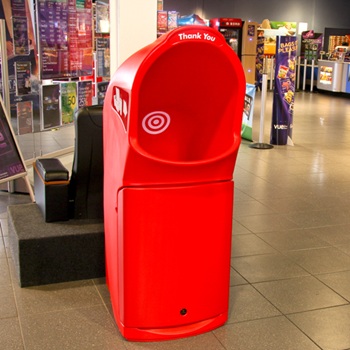
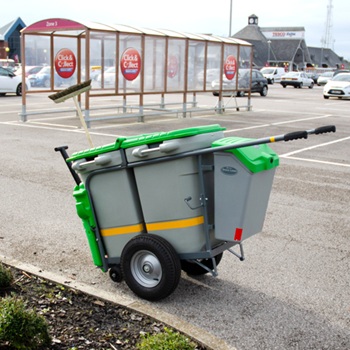
Litter bins, recycling stations, seating, bollards and wayfinding solutions contribute to the overall appearance, functionality, and image of a retail setting. When these elements seamlessly align, often thanks to a mix of careful planning, thoughtful updates to infrastructure, and consistent maintenance, they help create spaces where customers feel comfortable spending long periods of time and feel excited to return.
Industry research conducted by VisitEngland and Living Streets indicates that cleanliness, maintenance standards and overall presentation influence customer perceptions and satisfaction.
Sustainability is no Longer just “Nice to Have”
Sustainability has moved from a mere corporate ambition to a deep-seated, heavily ingrained customer expectation and, in many cases, even a prerequisite to earning their trust and loyalty. Many retailers now have clear, publicly stated environmental goals, whilst customers increasingly expect businesses to demonstrate responsible practices.
In England alone, initiatives like Simpler Recycling have increased the focus on effective waste segregation and recycling infrastructure. Businesses are now required to separate key recyclable materials from general waste, making clearly labelled and accessible recycling facilities more important than ever.
Well-positioned recycling bins encourage positive disposal behaviours, reduce cross-contamination and support broader environmental goals. For retailers, they also provide a simple yet highly visible demonstration of their sustainability commitments within the context of everyday visitor interactions.
Supporting Modern Age Shoppers
Retail continues to evolve around one important, sought-after aspect: convenience. Click-and-collect services, local convenience formats, retail parks and hybrid shopping journeys have tangibly transformed how customers navigate retail spaces and conduct their daily and weekly shopping.
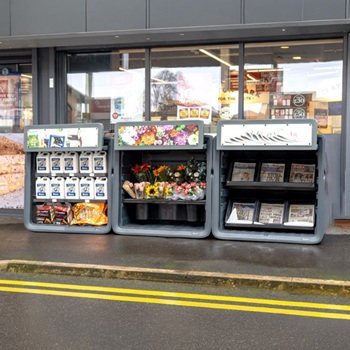
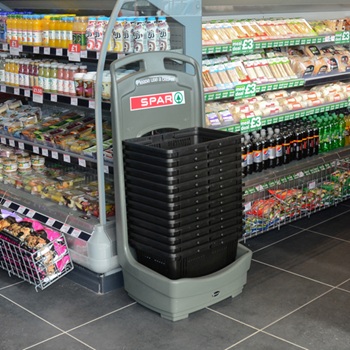
External spaces increasingly serve multiple functions, acting as collection points, waiting areas, pedestrian routes and even social spaces. Street furniture can support retailers in responding to these changing needs by improving comfort, accommodating pedestrian movement and creating more practical and functional environments for customers.
Seating areas offer convenient places for visitors to rest, wait for collections or accompany family members. Bollards can provide passive safety whilst clearly defining and differentiating roads from pedestrian zones. Strategically placed bins help maintain cleanliness and encourage adequate waste disposal in high-footfall locations, reducing the impact of takeaway packaging, drinks containers and day-to-day waste.
Accessibility and Inclusivity
Accessibility is no longer viewed solely as a compliance issue. It is a key part of customer experience.
Street furniture and waste management solutions should be placed on clear pedestrian routes, whilst minimising obstructions and remaining easily accessible for all users. Features such as easy-to-reach bin apertures, clear and visible recycling signage and strategically positioned seating can help create more inclusive and accessible spaces that accommodate all visitors, not just most of them.
Behind-the-Scenes Efficiency
The benefits of well-designed waste and outdoor furniture solutions extend beyond customer experience.
Operations teams within the retail sector continually look for ways to improve efficiency whilst controlling costs. Durable, easy-to-maintain infrastructure reduces maintenance costs and efforts, streamlines waste collection and improves the appearance of stores between cleaning schedules.
As recycling requirements evolve and customer expectations continue to grow, retailers are increasingly seeking solutions that not only look good but also support long-term operational performance.
Small Details Make a Big Difference
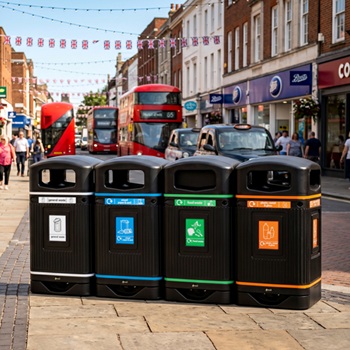
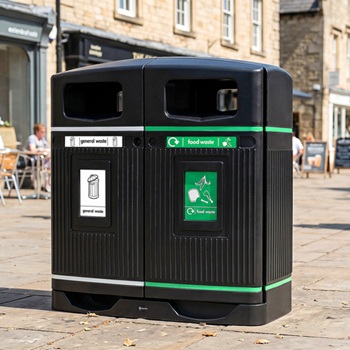
Street furniture and waste management may not be the first things customers notice, but they nevertheless influence how a retail environment feels. They help to shape first impressions, support sustainability strategies, improve and maintain cleanliness, and contribute to safe, welcoming and accessible environments.
The most successful retail environments recognise that every element of the customer journey matters. From the car park to the store, thoughtful investment in retail spaces can help retailers and shop owners create cleaner, safer and more appealing destinations for shoppers whilst aiding long-term operational and environmental goals.
Looking to get the most out of your unused retail space? Explore Glasdon product ranges designed to help retailers thrive:
- Recycling bins
- Litter bins
- Retail storage units
- Bollards and verge markers
- Winter safety equipment
- Orderly barrows
- Seating
Alternatively, contact our dedicated team of experts today for any custom enquiries or product information.
References
* https://businessofrecycling.wrap.ngo/
* https://www.wrap.ngo/what-we-do/our-services/citizen-behaviour-change
* https://www.wrap.ngo/take-action/citizen-behaviour-change
* https://doccleaning.co.uk/retail-store-hygiene-and-customer-loyalty/
* https://www.instituteofcustomerservice.com/research-insight/ukcsi/
* https://www.visitengland.com/visitengland-quality-schemes
* https://visitenglandassessmentservices.com/wp-content/uploads/2025/11/VisitEngland-QualityStandards_VisitorAttractions.pdf
* https://democracy.york.gov.uk/documents/s91327/Annex%20F%20VisitEngland%20Code%20of%20Practicefor%20Visitor%20Attractions.pdf
* https://www.livingstreets.org.uk/policy-reports-and-research/high-streets/
* https://www.livingstreets.org.uk/media/y4ijyp1n/pedestrian_pound_3rd-edition.pdf
* https://www.local.gov.uk/topics/economic-growth/revitalising-town-centres-toolkit-councils/function/streetscape-and-public
* https://ridc.org.uk/sites/default/files/uploads/Research%20Reports/Retail/Re-imagining%20retail%20-%20Summary%20Report.pdf